Skilled Hands on Slow Paths
Step into a journey devoted to reviving traditional Alpine crafts through slow tourism, where time becomes a tool, not a cost. We explore woodcarving, weaving, smithing, bellfounding, and more, meeting artisans in their workshops, learning respectfully, traveling lightly, and leaving with stories that honor the mountains as much as the makers who shape them.
Why Unhurried Travel Nurtures Living Heritage
When you cross a valley without rushing, you begin to see how craft and landscape share a heartbeat. Slow tourism values patience, attention, and fair exchange, allowing artisans to teach at human pace. That patience funds apprenticeships, dignifies knowledge, and rebuilds community pride, while travelers carry home understanding instead of trinkets, strengthening a living chain between mountain skill, local economy, and respectful curiosity.
Carving, Joinery, and Forest Wisdom
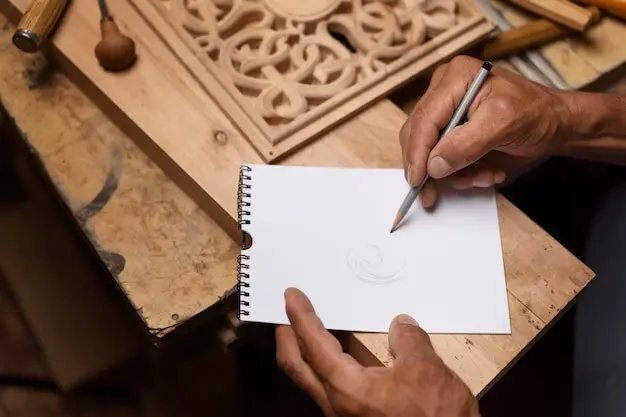
Alpine carpenters and carvers read timber like a map, honoring rings, sap, and grain. Joinery keeps chalets breathing through winters, while chip‑carved doors tell family histories. Workshops often begin with a walk to understand sustainable forestry and storm salvage. Planes sing, shavings curl like snowdrifts, and a stool or spoon emerges, carrying the quiet geometry of mountain trees into your daily rituals at home.
Wool, Loden, and Felt Under Snowy Eaves
High‑pasture sheep and hardy mountain goats give fibers suited to wind and ice. Carding, spinning, fulling, and felting turn raw fleece into loden, blankets, and weatherproof slippers. In farmhouse studios, spindles twirl by lamplight as elders recall plant dyes and migration routes. Participating travelers help wash, tease, and roll, learning how rhythm and moisture shape material, and why fair pricing safeguards patient, embodied knowledge.
Metal, Bells, and Mountain Fire
From small smithies to centuries‑old foundries, heat and hammer transform ore and scrap into tools and music. Cowbells guide transhumance, blades slice hay on steep meadows, hinges resist storms. Observing a pour or forging a simple hook reveals elemental choreography: ember color, air flow, and strike angle. Supporting these workshops preserves safety standards, apprenticeships, and the deep acoustics of valleys where bronze notes still carry far.
Traveler Practices That Truly Help
Good intentions become real support when choices match local needs. Travel at a humane pace, book directly, and allow artisans to set boundaries. Pay fairly, communicate in advance, and respect workshop routines. Embrace public transport and village stays, offset inevitable footprints with longer learning, and share makers’ directories. These habits weave your journey into community wellbeing, turning curiosity into continuity instead of fleeting, extractive spectacle.
Choose Slower Routes and Local Rhythms
Arrive by train where possible, continue by bus or foot, and let timetables teach patience. Slower transit frees hours for markets, chapels, and conversations between lessons. It also reduces emissions while steering spending toward rural stops often bypassed by cars. Ask artisans about preferred visiting windows, then design days around their cadence, honoring breaks, chores, and weather shifts that shape safe and meaningful learning.
Pay Fairly and Respect the Price of Time
Craft pricing includes materials, maintenance, years of training, and injury risk. Accept listed fees without haggling, tip for extra teaching, and prepay deposits that secure small workshops against cancellations. If funds are tight, choose shorter sessions, buy smaller works, or support through digital subscriptions and referrals. Fairness keeps doors open, hands healthy, and community confidence high, ensuring the skills you admire remain livelihoods, not hobbies.
Participate With Care, Not Performance
Photography and posting can uplift or exploit. Ask before filming, credit generously, and prioritize presence over content. Follow safety instructions exactly; hot metal, sharp tools, and moving looms demand focus. Offer to help tidy, stack wood, or sweep shavings. Share meals if invited, bring curiosity, and listen more than you speak. Respect makes room for nuance, allowing difficult histories and quiet pride to be heard and honored.
Stories From Village Workshops
Narratives root understanding deeper than checklists. In kitchens where steam fogs small windows, or sheds where snow sifts through roof boards, the Alps speak through people who stayed and people who returned. These glimpses reveal why slow travel matters: it invites reciprocal commitment, where travelers become neighbors for a while, and makers teach because they feel seen, not merely consumed by passing traffic.
The Bellmaker’s Morning
Before sunrise, the foundry warms slowly so the molds will not crack. Over coffee, the bellmaker traces dents from his grandfather’s apron and explains tuning by ear against the cliffs. You hold a wax model, feel thumbprints in detail, and understand why each herd needs a particular harmony. Leaving, you carry not just a chime, but a cadence shaped by rock, breath, and inherited patience.
A Night of Bobbins
In a lace room perfumed by beeswax, bobbins click like rain on slate. An elder recounts winters when patterns kept minds bright as storms closed passes. You learn tension with gloved fingertips, and how mistakes become motifs with grace. Tea cools; midnight slips past. At dawn, your small sample holds warmth from shared silence, confirming that endurance, humility, and beauty often braid together in unhurried companionship.
Bread, Salt, and Shingles
At a ridge hamlet, a shingle maker invites you to split larch in morning light. Between careful strokes, his daughter brings bread and salt, an old welcome renewed. He points to roofs surviving a century, evidence of patient design. You practice the safe angle, sense resin scent rising, and realize good shelter begins with respect for trees, storms, and neighbors who help replace a tile when needed.
Sustainable Impact and How to Notice It
Slow tourism promises much; evidence matters more. Look for apprentices earning living wages, workshops meeting safety codes, and forests managed with mixed ages. Notice whether rail stations feel busier in shoulder seasons, and whether festivals emphasize learning over throughput. Ask how visitor income stabilizes winter months. Measuring change with humility protects communities from fashionable extraction and helps travelers refine choices that truly sustain mountain life.
Plan Your Own Craft‑Centered Alpine Journey
Design days that respect makers, mountains, and your own capacity to learn. Start with directories and regional guild calendars; confirm availability well ahead, especially during haymaking or transhumance. Build buffers for weather, rest, and serendipity. Stay where breakfast conversations reveal opportunities no guidebook lists. Finally, keep in touch after returning, order repairs or refills, and share artisans’ work so the relationship outlives your itinerary.

Map the Makers and Their Calendars
Collect leads from regional tourism boards, museum gift shops, and farmers’ markets. Cross‑check schedules with train timetables and village holidays. Email in the local language or use respectful translations. Explain your interests, skill level, and accessibility needs. Confirm class sizes, safety gear, and photography rules. Thoughtful planning reduces stress for everyone and increases the chance that your visit adds value rather than strain to workshop routines.
Sleep Where Skills Still Breathe
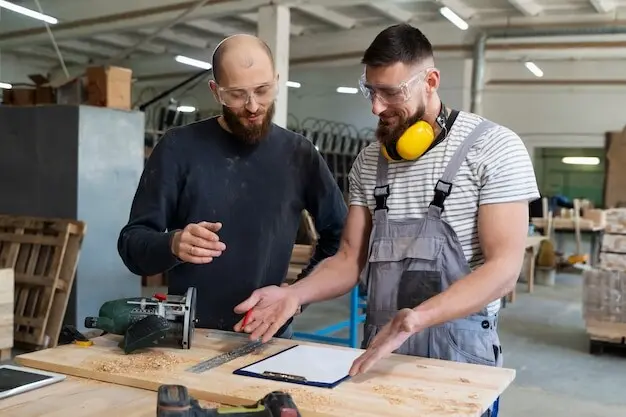
Choose family pensions, agritourism stays, or cooperative hostels near workshops. Ask hosts about quiet hours, shared kitchens, and local etiquette. Many offer introductions to craftspeople, seasonal chores, or heritage walks. Compact lodging reduces commuting, leaving more time for learning. Your payment supports households that keep villages lively year‑round, ensuring that tools keep ringing, looms keep humming, and skill remains a daily presence rather than a staged performance.

All Rights Reserved.